Fine‑Art Drum Scans for Professionals
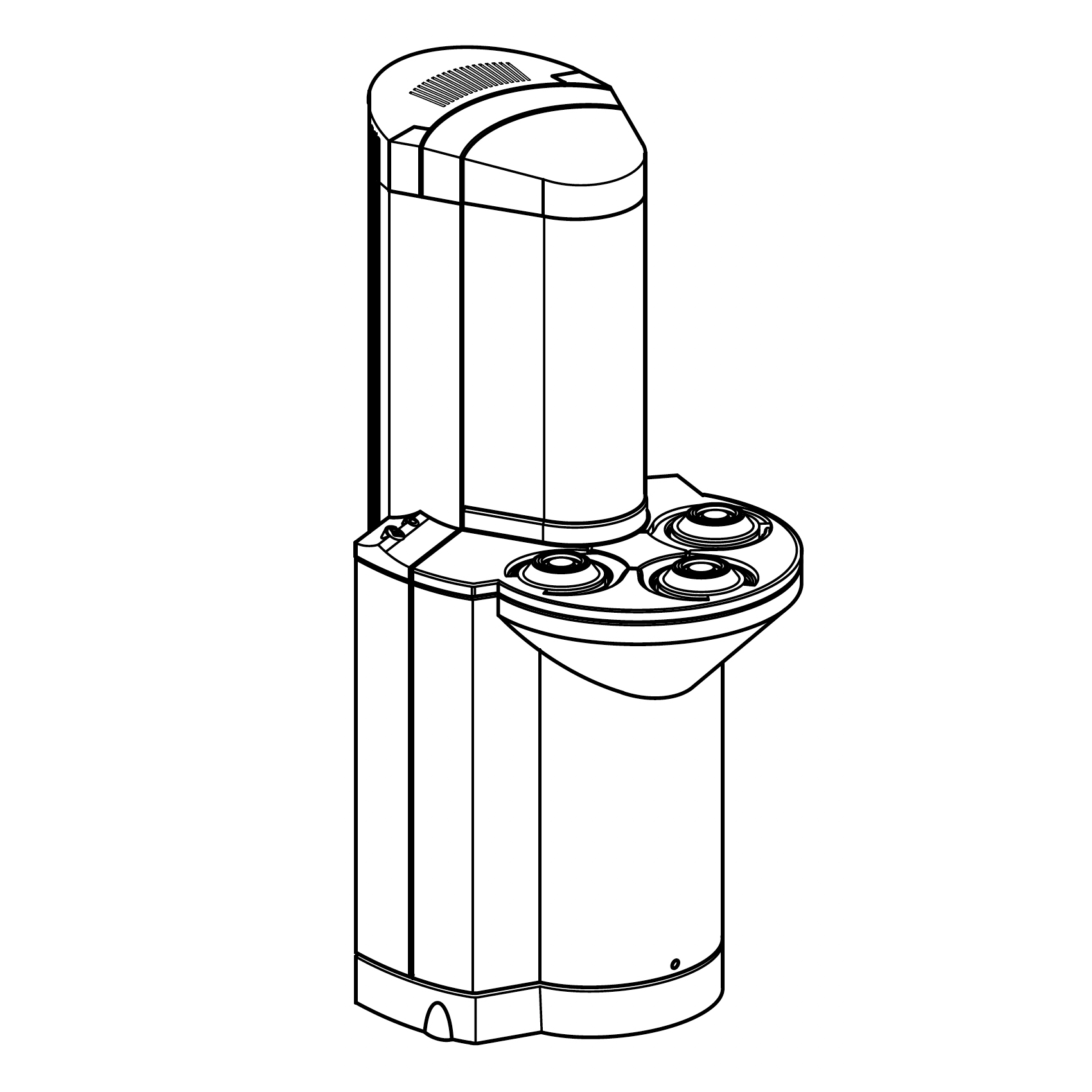
At SlowFilmStudio, we use the Heidelberg Primescan D8400 to create some of the highest‑quality drum scans available.
Ultra‑sensitive PMTs pull detail out of the darkest shadows, so your negatives, transparencies are captured with exceptional accuracy. Each frame is wet‑mounted in optical fluid to hide dust and surface marks, then scanned in a 16‑bit workflow for maximum tonal range and flexibility.
Choosing the Primescan D8400 means putting image quality and museum‑grade results ahead of speed and convenience.
Where fine detail comes into focus
The Heidelberg Primescan D8400 is widely regarded as the finest drum scanner ever made. It sets the standard for resolution, tonality, and color consistency that flatbed and lab scanners simply can’t match.
Here are a few reasons why:
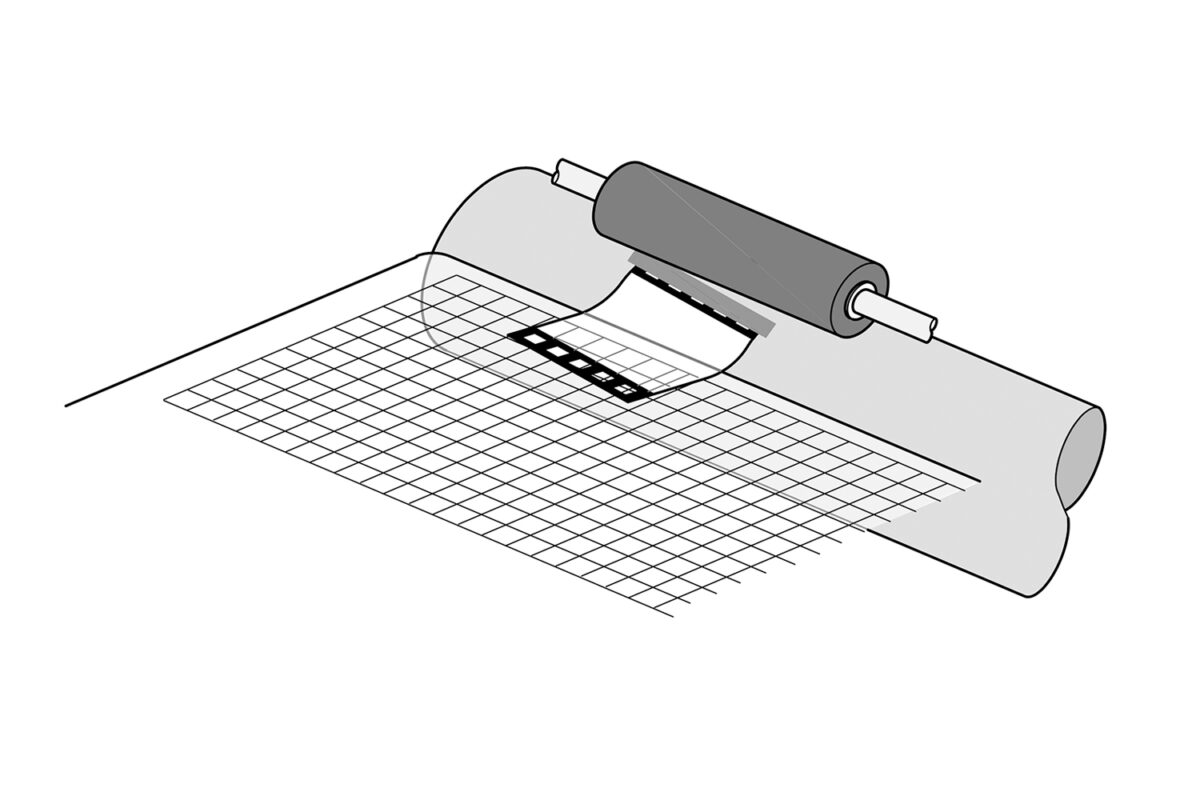
Edge-to-edge sharpness
Fluid mounting to a perfectly flat drum keeps the whole frame razor sharp, from center to corners.
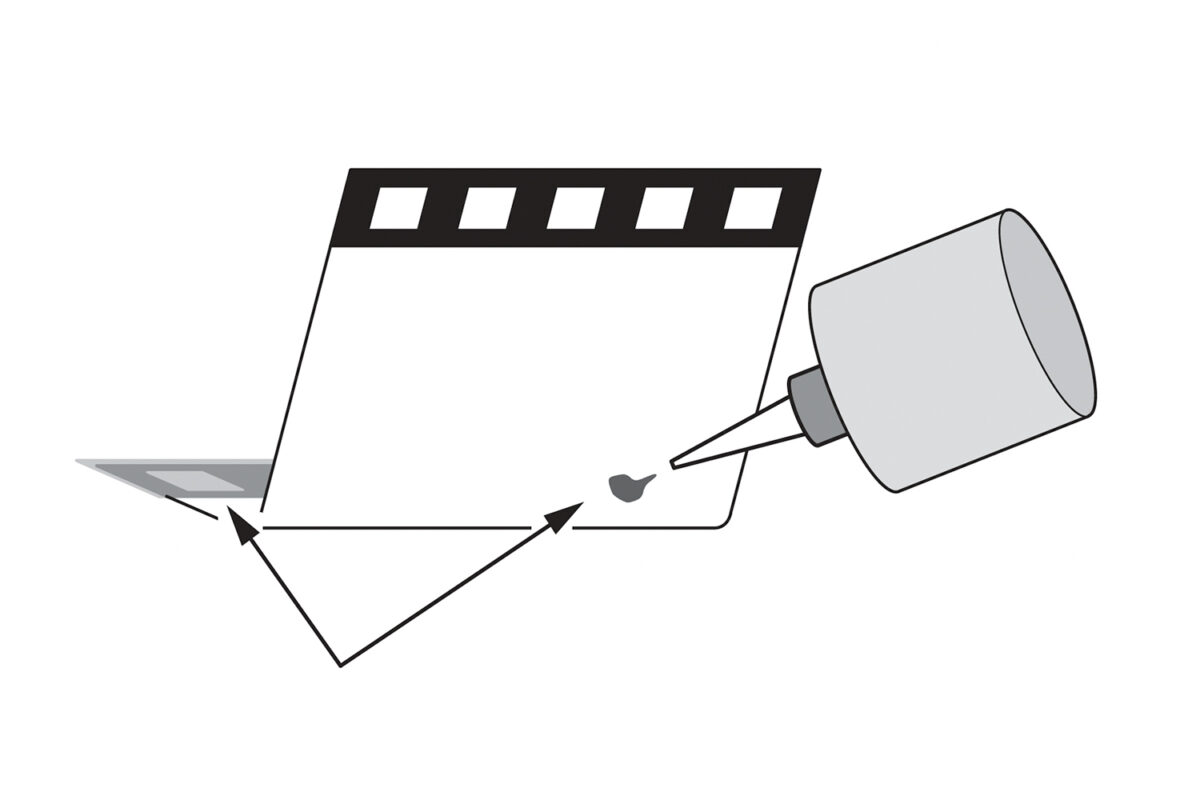
Natural scratch suppression
Specialised mounting fluid fills fine scratches and dust, delivering a cleaner raw scan.
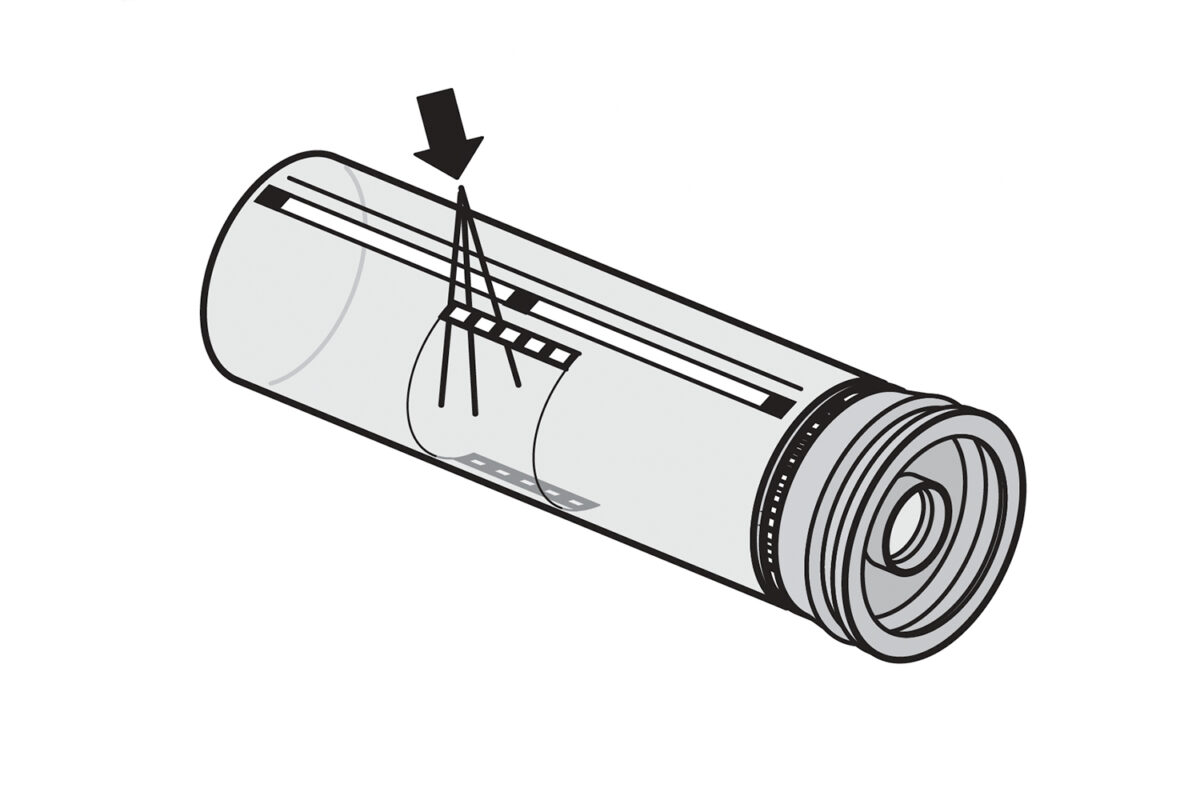
Resolution that holds up in print
Capture true detail and grain for large, gallery-ready prints without digital upscaling.
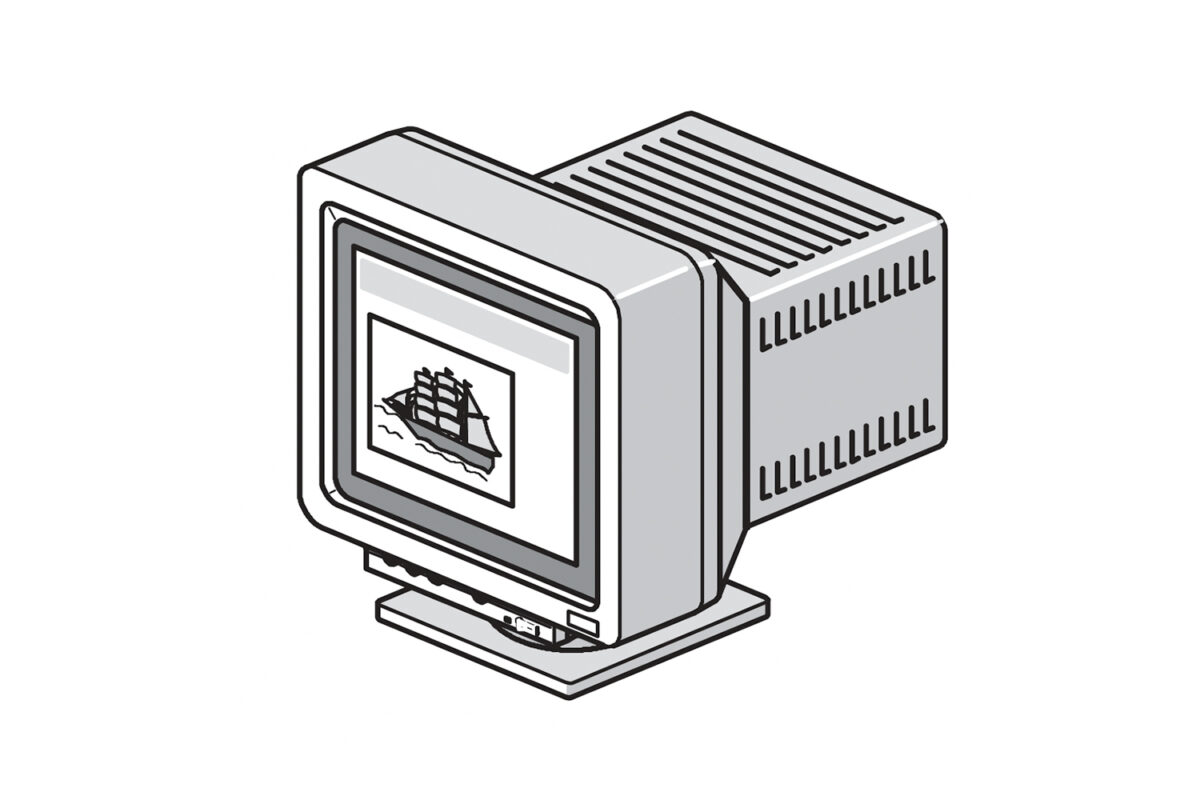
Extreme highlight recovery
Preserve delicate texture in bright highlights, maintaining the full exposure range of your film.
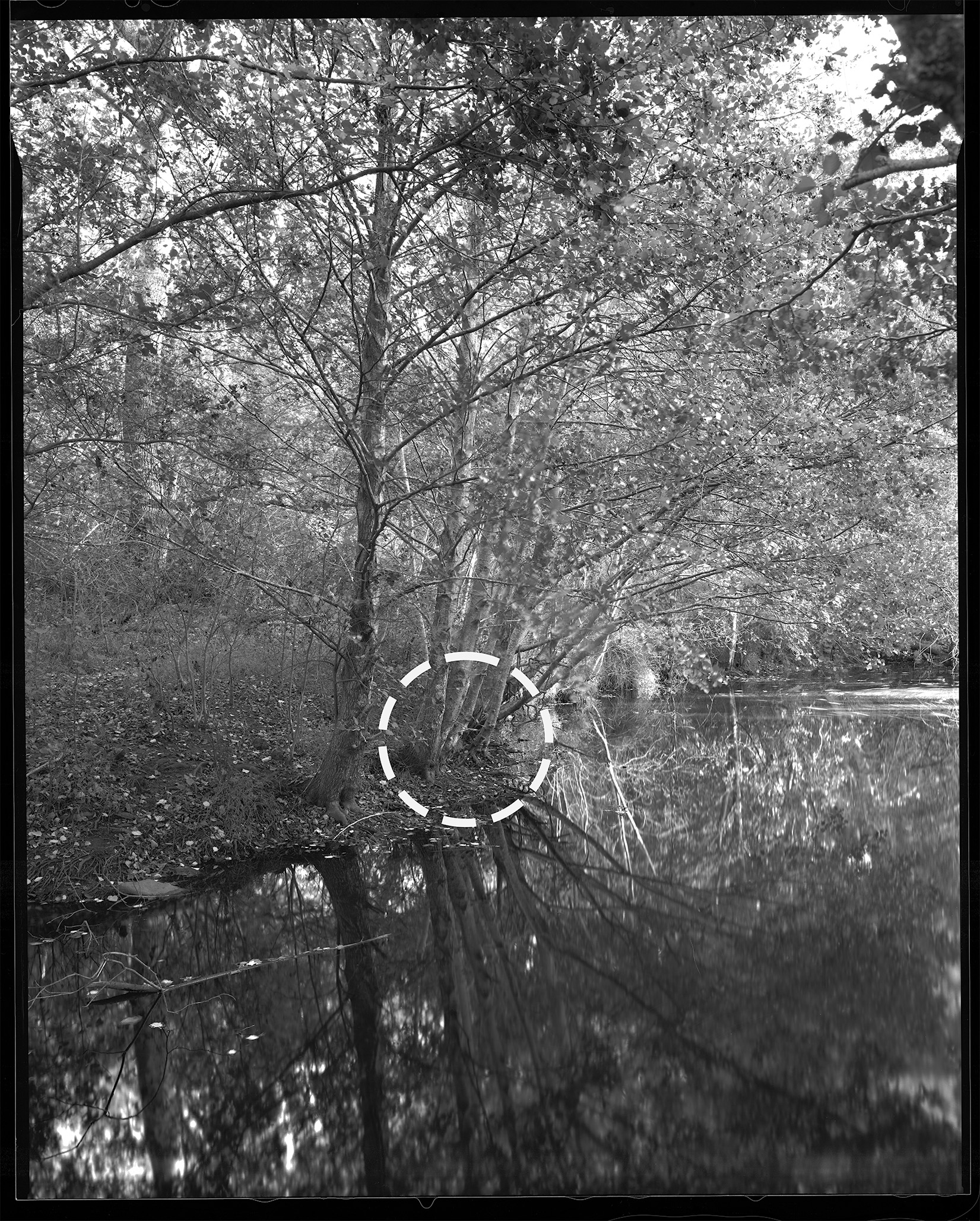
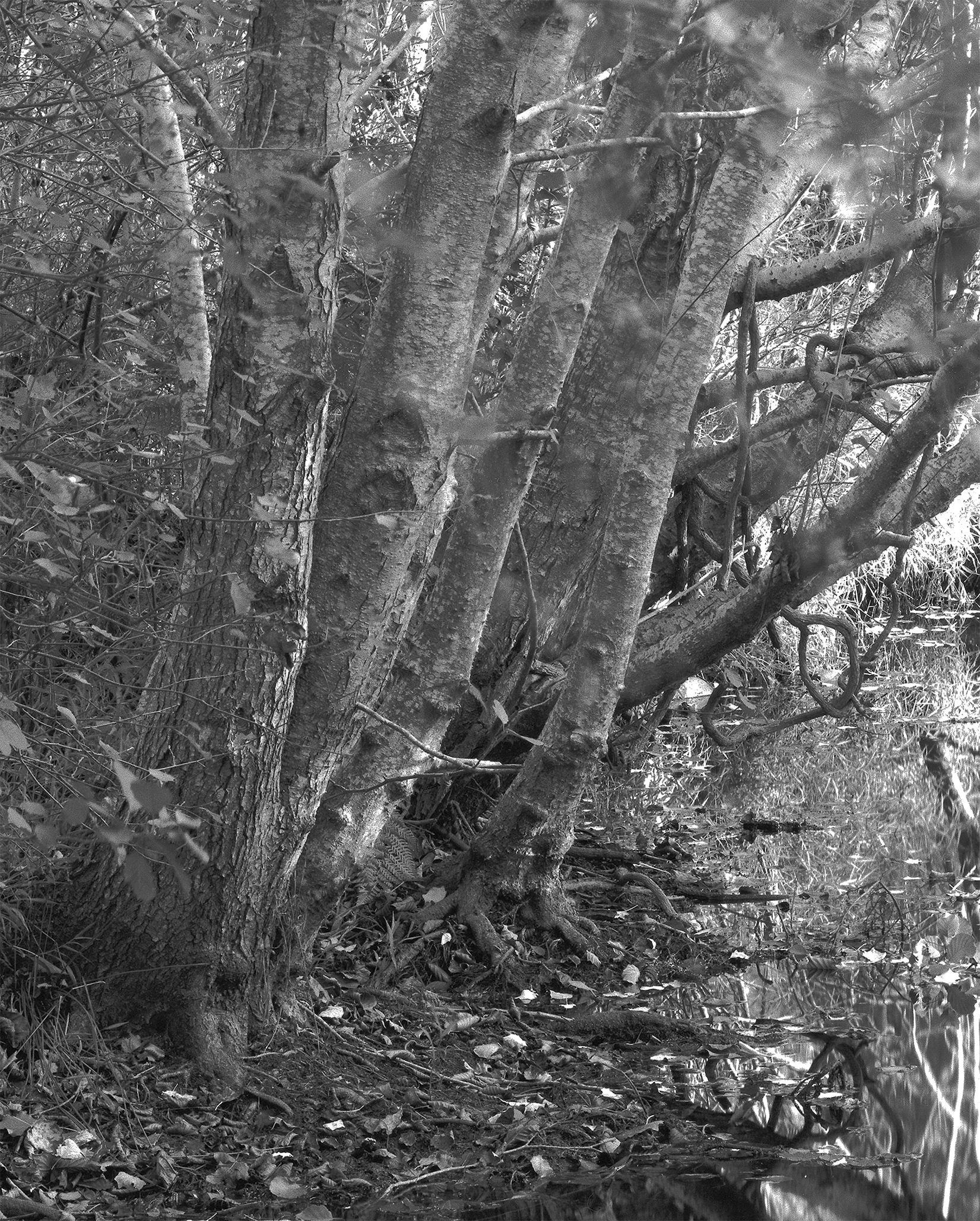
Full-image scan with the Heidelberg Primescan D8400; no loss of detail or sharpness when zoomed in.
FAQ's
How do I send my film?
Please pack your film securely between pieces of stiff cardboard and clearly label it with your name, email address, and phone number. Once you’ve shipped it, email us the tracking number so we can confirm and log your job.
What is the turnaround time?
The minimum turnaround time for a raw drum scan is seven days from the date we receive your film. Timeframes may vary, and larger batches of film will require additional processing time.
What scan file format will I receive?
RAW 16‑bit TIFF scans are supplied without spotting and are only colour‑corrected within the scanning software. The primary goal of a RAW scan is to retain as much highlight and shadow detail as possible from the original film.
This workflow produces a deliberately flatter‑looking image, giving photographers maximum flexibility to apply their own final colour and density adjustments for print.
How will I receive my scans?
Final scans are delivered via Dropbox or WeTransfer as soon as they’re ready. For larger projects with multiple negatives, we can also supply your files on a USB 3.0 drive for a small fee when we return your originals, or you’re welcome to send us your own USB drive.
We charge a basic fee to return your film via The Courier Guy or PostNet, but if you’d prefer to handle the return yourself, just let us know.
What makes a drum scan different from a "high-res" lab scan?
Most labs use linear scanners such as the Noritsu or Frontier, which are designed for speed. These systems use a CCD sensor to capture an entire row of pixels at once. The Heidelberg Primescan D8400, by contrast, uses photomultiplier tube (PMT) technology to capture the image point by point.
This approach delivers significantly higher dynamic range, better shadow recovery, and true optical resolution that doesn’t depend on digital sharpening.
Why do you use wet-mounting?
Wet-mounting involves using a mounting optical fluid to seal your film against the acrylic drum. This process serves three vital purposes: it ensures the film is perfectly flat for edge-to-edge sharpness, it eliminates “Newton rings” (oil-slick patterns caused by light interference), and it optically “fills in” minor surface scratches on the film base.
Will the mounting fluid damage my film?
No. We use professional‑grade, fast‑evaporating mounting fluids that are specifically formulated for film. Once the scan is complete, the fluid evaporates completely, leaving no residue and causing no damage to the emulsion. Your film is returned to you clean and dry.
Can you include film rebates?
Yes. Unlike many standard scanners that automatically crop the image, our Heidelberg drum scanners can include film rebates on request. Our drum mounting process allows us to capture the full frame. Please let us know if you would like “full‑frame” scans when submitting your order.
Is a Heidelberg drum scan right for me?
Our Heidelberg drum scans are designed for anyone who will not compromise on image quality. Whether you’re a photographer, museum, or archival institution, the Heidelberg drum scanner delivers some of the highest‑quality scans available. Its precision, tonal depth, and dynamic range make it ideal for fine‑art printing, exhibition work, and long‑term preservation of important negatives, transparencies.
What are the Primescan D8400 specs?
| Feature | Specification |
| Sensor Type | Triple Photomultiplier Tube (PMT) |
| Maximum Resolution | 11,000 dpi (Optical) |
| Density Range | 4.2 Dmax (Actual) |
| Color Depth | 16-bit / 48-bit RGB |
| Mounting System | Vertical glass drum with wet-mounting fluid |
| Supported Formats | 35mm, 120/220, 4×5, 5×7, and 8×10 large format |
| Maximum Scan Size | 450 x 480 mm |